
Beekeepers in Pueblo City, Pueblo County, and Pueblo West, Colorado face a growing challenge: black bears (Ursus americanus) are increasingly exploring urban edges and agricultural areas in search of high-calorie foods like honey, brood, and larvae — making bee yards and apiaries attractive targets. In recent reporting, Colorado Parks and Wildlife noted an above-average number of human-bear conflicts statewide, with 18 % of incidents tied to livestock, chickens and beehives in 2025.
As members of the local beekeeping community, it’s critical to know when bear activity is most likely, how to deter bears before they target hives, and what steps to take if destruction occurs.
🐻 Seasonal Bear Activity — When to Be Extra Alert
Black bears in Colorado follow seasonal patterns tied to food availability and hibernation:
Spring (April–June): Bears emerge hungry after winter and actively forage — early spring is one of the peak times bears may seek out bee yards.
Fall (August–October): During hyperphagia, bears eat almost nonstop to pack on fat before winter — again increasing risk around apiaries.
Summer months (June–August): Bears use fruit, berries, and human attractants; if hives are left unprotected, these months remain high risk.
Winter: Bears are generally dormant; however, if food remains available, some bears may remain active year-round.
Keyword tips: Pueblo CO bear season, Pueblo County bear activity spring, fall black bear conflicts apiaries.
🛡️ Preventing Bear Visits to Your Apiary
1. Secure Your Bee Yard with Electric Fencing
The most effective and recommended deterrent for protecting beehives from bears is electric fencing designed for wildlife control. A properly installed and maintained electric fence creates a psychological barrier that teaches bears to avoid your bee yard.
Best practices for electric bear fencing:
Use an energizer capable of high enough voltage (often suggested at or above 7,000 V) to deter black bears.
Position wires close enough together that a bear cannot reach hives without contacting the fence.
Keep vegetation clear around fence wires to maintain effectiveness.
For ease of setup or temporary yards, consider net electric fence kits that can be moved and re-used.
Electric fencing doesn’t physically block a determined bear, but repeated shocks teach bears to avoid that area — drastically reducing attacks.
Keyword tips: bee yard electric bear fence Pueblo, apiary predator deterrent fencing Colorado.
2. Select and Maintain Hive Location Carefully
Bears often use forest edges, brush, and wildlife travel corridors; placing hives well away from dense cover can help reduce surprise visits.
Also:
Consolidate hives into the smallest practical apiary footprint — easier to fence and monitor.
Harvest honey promptly so hives do not hold longer seasonal food rewards that attract bears.
Keyword tips: apiary placement Pueblo wildlife corridor, hive site bear avoidance Pueblo West.
3. Eliminate Other Attractants on Your Property
While bees and honey are obvious attractions to bears, other human-related food sources can draw bears into beekeeping neighborhoods:
Bearer attractants include unsecured garbage, bird feeders, pet food, and compost.
Properly secure trash and compost in sealed containers or within a bear-resistant structure like a garage.
Remove bird feeders when bears are active in spring through fall — bears can associate these with high-calorie rewards.
This “bear aware” approach benefits the entire community by reducing overall bear conditioning to human food sources.
Keyword tips: Pueblo bear attractants removal, bear aware Pueblo County.
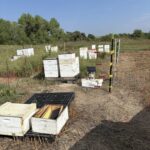
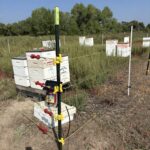
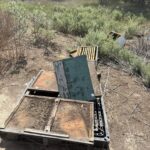
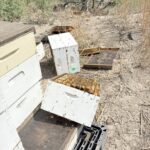
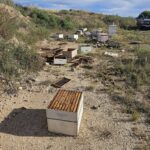
⚠️ If Bears Attack Your Beehives or Apiary
Even with precautions, conflicts can occur. Here’s what you should do in order:
🪤 1. Ensure Safety First
If a bear is present in your bee yard, do not approach the animal. Back away calmly and maintain a safe distance — let the bear leave on its own.
Noise makers (like banging lids, whistles, or shouting from a distance) can sometimes haze the bear away if the animal isn’t directly feeding yet.
📞 2. Report the Incident
Contact wildlife authorities immediately if a bear:
Poses a threat to people or livestock,
Has caused property damage,
Is frequenting your yard despite deterrents.
Colorado Parks and Wildlife (CPW) is the agency responsible for managing bear conflicts in Colorado. You can reach general information at 303-291-7780, or call your local wildlife office during business hours.
After hours or during an active threat, if safety is at risk, call Colorado State Patrol or your local Sheriff’s office.
📝 3. Document Damage for Game Damage Claims
After contacting CPW, document all damage with photos and notes including dates, times, and descriptions of the encounter. CPW may require immediate notification to initiate a game damage claim or otherwise assist you with appropriate compensation and response procedures.
🐝 4. Recover and Rehabilitate Your Bees
If some colonies survive:
Move surviving hives to a safer protected location immediately.
Feed or reframe hives as needed to help regrowth — bees may abscond if their home is destroyed.
Reach out to experienced local beekeepers or the Pueblo County Beekeepers Association for support, mentorship, and potential sources of replacement queens or nucs.
Keyword tips: bear damage claim Colorado, Pueblo apiary damage reporting.
📬 Local and State Contacts for Bear-Beekeeper Issues
Here are key contacts and resources you should save:
Colorado Parks and Wildlife (CPW) – main agency for wildlife conflicts
📞 303-291-7780 (general info)Colorado State Patrol Dispatch – for urgent after-hours wildlife threats
📞 (contact through 911 or local non-emergency Sheriff’s number)Pueblo County Beekeepers Association – local beekeeper network
🌐 https://pueblocountybeekeepersassociation.com/Bear Aware & Bear Smart Resources – tips on human-bear coexistence
🌐 https://www.coloradobearcoalition.org
🐾 Final Takeaway: Be Prepared and Stay Bear Aware
Beekeeping in the Pueblo region offers rich rewards, but it also brings responsibility: being proactive about wildlife coexistence is essential. By combining effective deterrents like electric fencing, smart hive placement, removal of surrounding attractants, and prompt reporting of bear interactions, you protect both your apiary and the local bear population. Remember, intact natural foraging is best for bears — once conditioned to human food sources, their risk to property and people increases dramatically.
Stay bear aware, stay connected with wildlife managers, and keep those hives buzzing!
—
BONUS VIDEO: https://www.youtube.com/watch?v=7rcw2SuwWSc
—