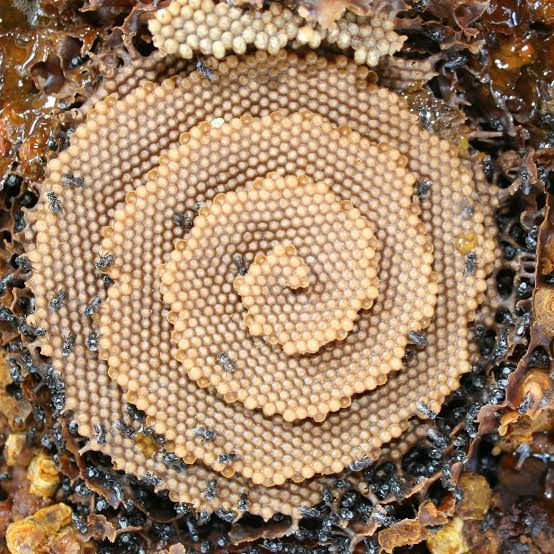
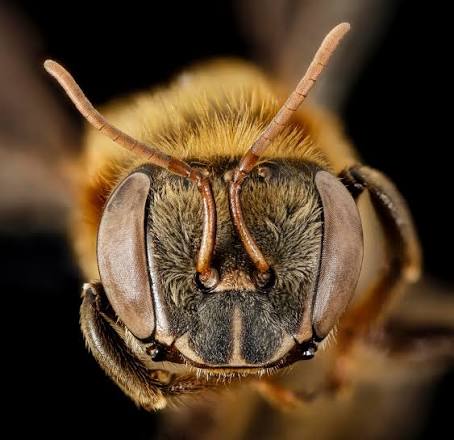
Peru is home to at least 175 species of native stingless bees (tribe Meliponini),
which pollinate between 38% and 90% of tropical plant life in the Amazon.
Key Facts About Stingless Bees in Peru
- Ecological Role: They pollinate roughly 80% to over 85% of rainforest trees and crops (including cacao and coffee), driving seed dispersal and forest regeneration.
- Cultural & Medicinal Value: Indigenous groups like the Asháninka and Kukama-Kukamiria have raised these bees since pre-Columbian times. Their honey, pollen, and propolis (“bee glue”) are used as traditional medicine for respiratory issues, sore throats, inflammation, and infections. Chemical analyses show the honey contains unique bioactive and anti-inflammatory compounds.
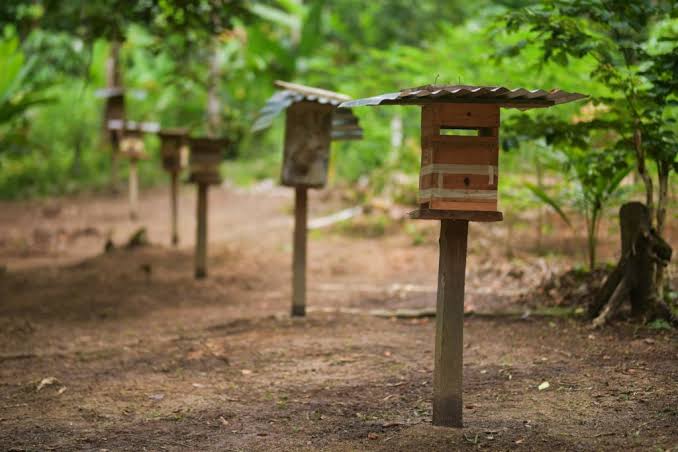
- Meliponiculture: Traditional wild harvesting often involved chopping down entire hollow trees to get the honey, which destroyed colonies. Conservation groups and local families now promote sustainable meliponiculture—keeping bees in multi-tiered wooden boxes (like mieleras) where only specific honey chambers are harvested.
Landmark Legal Protections:
- Law No. 32235 (2025): The Government of Peru enacted a national law declaring native stingless bees (genus Melipona) to be of national interest and protecting their flora.
- Municipal Ordinances: Local governments in Satipo and Nauta passed ordinances granting native stingless bees legal rights (including the right to exist, thrive, and have a pollution-free environment), making them the first insects in the world to gain explicit legal rights.
- Threats: They face severe pressures from Amazonian deforestation, climate change, agricultural pesticides, and competition from invasive European honeybees (Apis mellifera).